
Urinary Infection & Recurrent UTI Care | Aligarh

Urinary Tract Infection (UTI): Diagnosis, Treatment & Recurrent UTI Care

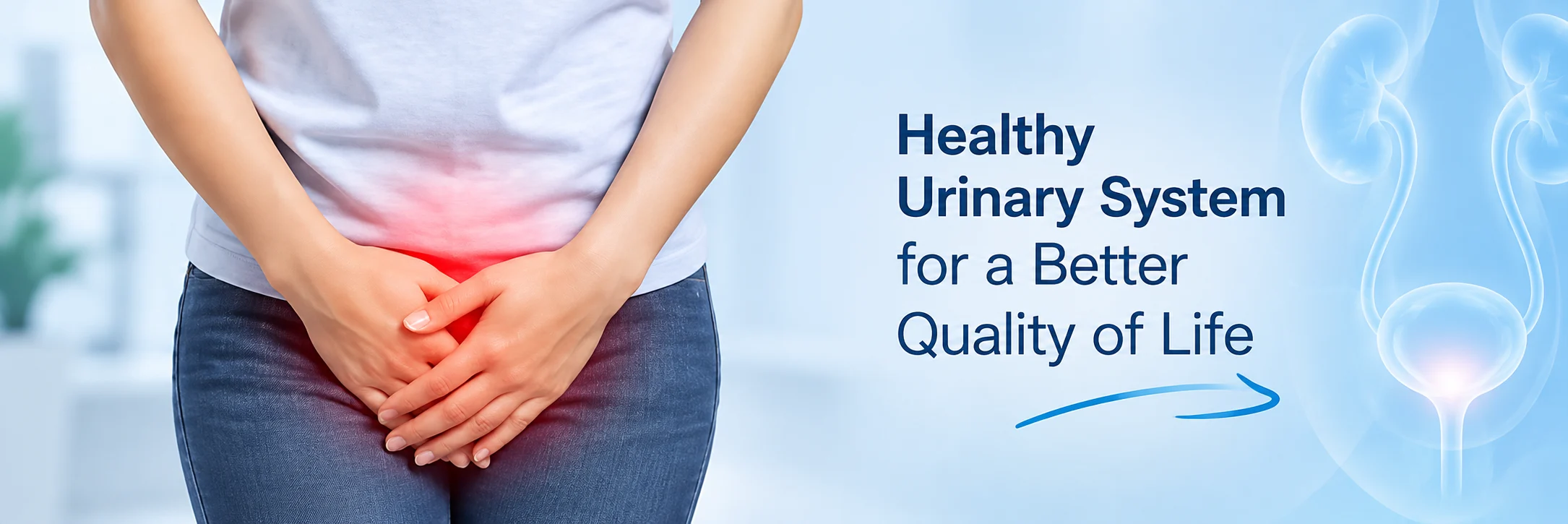
Urinary tract infections can cause burning, urgency, frequent urination, discomfort and, in some cases, fever or kidney-related symptoms. Dr. Parwez Alam evaluates UTIs with attention to the likely site of infection, severity, urine test findings and possible underlying causes such as stones, obstruction, prostate problems or incomplete bladder emptying. Treatment is selected according to the individual clinical situation rather than using a one-size-fits-all approach.

Lower & Recurrent UTI Evaluation

Patient-friendly evaluation of repeated or persistent urinary infection symptoms.

Urine Testing & Culture-Guided Care

Use urine testing/culture where clinically appropriate to support diagnosis and treatment selection.

Stone / Obstruction Assessment When Needed

Assess contributing stones, retention, prostate enlargement or obstruction when the history suggests them.

In-Person & Online Consultation

In-person assessment when examination/testing is needed; online review for appropriate report review or follow-up.
What Is a Urinary Tract Infection?

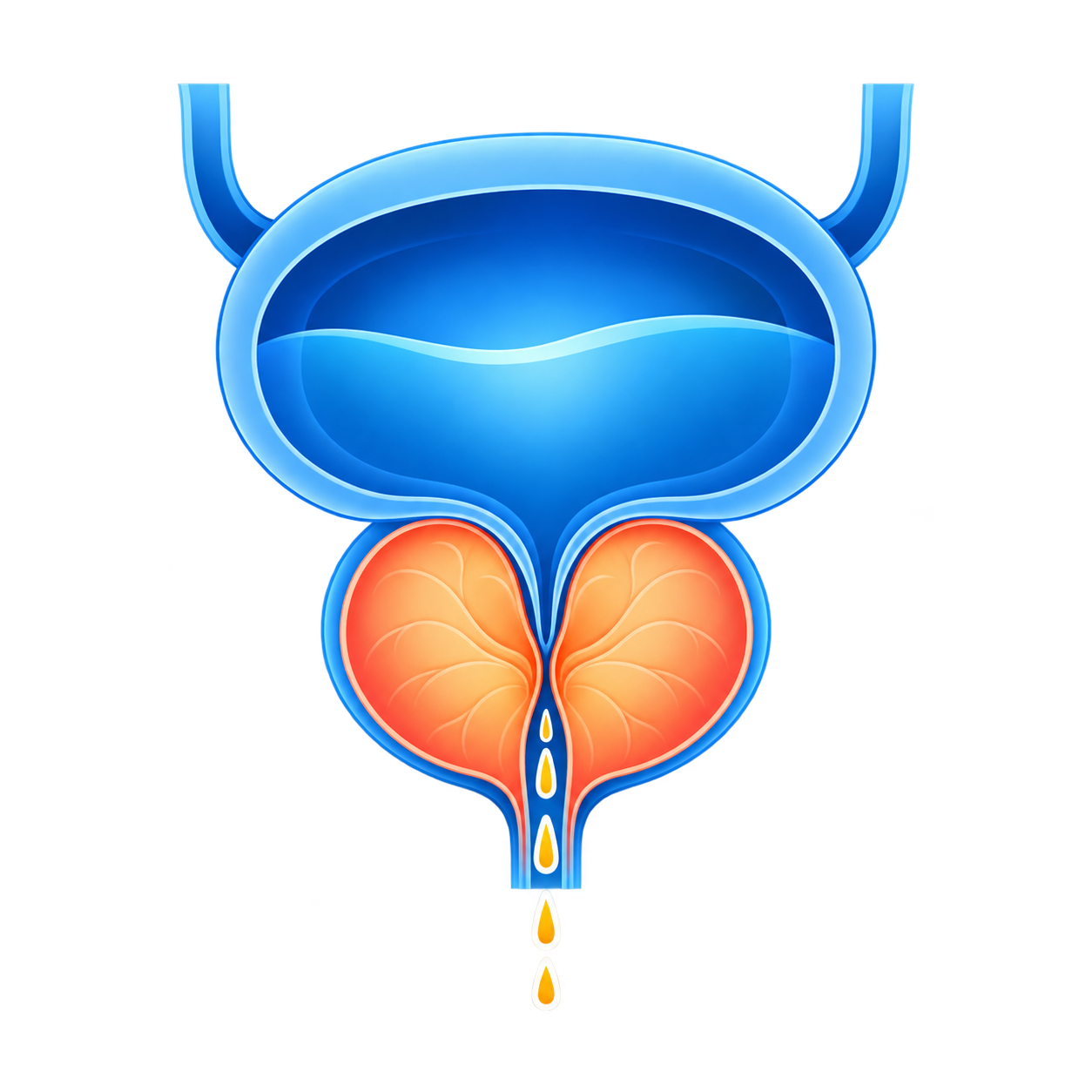
A urinary tract infection occurs when microorganisms, most commonly bacteria, cause infection within part of the urinary system. A lower UTI often involves the bladder and may cause burning, frequency or urgency. Infection can also involve the kidneys or be associated with systemic symptoms such as fever, chills or significant illness, which requires more urgent medical assessment. Not every urinary symptom is caused by infection. Stones, enlarged prostate, urethral narrowing, bladder irritation, sexually transmitted infections, vaginal conditions and other problems can sometimes cause similar symptoms. This is why persistent, recurrent or unusual symptoms should be properly evaluated rather than repeatedly self-treated.

Common UTI Symptoms

Passing urine more frequently than usual

Sudden or difficult-to-control urgency

Lower abdominal or bladder discomfort

Cloudy or unusually strong-smelling urine

Visible blood in urine in some cases

Feeling that urination is uncomfortable or incomplete

Burning or pain while passing urine

Types of UTI & Why Classification Matters

Lower UTI / Cystitis

Infection mainly involving the bladder. Typical symptoms may include burning, frequency, urgency and lower abdominal discomfort.

Upper UTI / Kidney Infection

Infection involving the upper urinary tract may cause fever, flank pain, nausea, vomiting or systemic illness and needs prompt assessment.

Recurrent UTI

Repeated infections may represent reinfection or relapse and may require review of triggers, urine culture results and underlying urinary factors.

Complicated UTI

Infection occurring with factors such as urinary obstruction, stones, anatomical abnormalities, impaired kidney function or other conditions that can make infection harder to treat.

UTI in Men

UTI in men deserves careful assessment because prostate disease, obstruction, stones or other urological factors may contribute.

UTI in Children / Special Situations

Children, pregnancy and people with certain medical or urinary conditions need age- and situation-specific assessment rather than generic self-treatment.

Why Do UTIs Occur?

UTIs commonly occur when bacteria enter the urinary tract, but several factors can increase the chance of infection or make infections recur. A recurrent infection may sometimes be linked to an underlying urinary problem that needs separate treatment.

Urinary Stasis / Incomplete Emptying

Residual urine can allow bacteria to persist. Causes may include enlarged prostate, bladder dysfunction or obstruction.

Kidney or Ureteric Stones

Stones can obstruct urine flow, irritate the urinary tract and, in some cases, contribute to recurrent or complicated infection.

Prostate Problems

In men, enlarged prostate or infection involving the prostate may contribute to urinary symptoms, incomplete emptying and recurrent infection.

Catheters or Recent Procedures

Urinary catheters and some urinary procedures can increase infection risk and require specific clinical assessment.

Anatomical / Functional Problems

Urethral stricture, reflux, obstruction or other abnormalities may predispose selected patients to recurrent infection.

Individual Health Factors

Pregnancy, diabetes, immune suppression, kidney disease, age and prior antibiotic exposure can affect risk and management.

How a UTI Is Evaluated

Assessment ⚕ Why It May Be Used
Clinical History Symptoms, duration, fever, flank pain, previous infections, previous antibiotics, pregnancy status where relevant, medicines and urinary history.
Urine Testing Urinalysis or dipstick may support assessment in appropriate situations. A urine culture can identify the organism and antibiotic susceptibility when indicated.
Physical Examination May be needed when symptoms are severe, recurrent, atypical or suggest prostate, kidney or systemic involvement.
Blood Tests May be advised when there is fever, suspected kidney involvement, significant illness, kidney-function concern or complicated infection.
Ultrasound / Imaging Not every UTI needs imaging. It may be useful when stones, obstruction, retention, anatomical problems or recurrent/complicated infection are suspected.
Post-Void Residual / Flow Assessment Selected patients, especially men with urinary symptoms, may need assessment of bladder emptying or urine flow.

UTI Treatment Depends on the Clinical Situation

Treatment varies according to the likely site of infection, symptom severity, patient factors and test results. Antibiotics may be prescribed when clinically appropriate, but the specific medicine and duration should be chosen by a clinician with consideration of allergies, previous culture results, kidney function, pregnancy status where relevant, prior antibiotic use and local resistance patterns.

Symptom Assessment

The first step is deciding whether symptoms are consistent with lower UTI, kidney infection, another urinary condition or a non-urological cause.

Antibiotics When Indicated

Antibiotics are selected by the treating clinician. Repeated self-treatment or using leftover antibiotics can contribute to treatment failure and antimicrobial resistance.

Hydration & Supportive Care

Adequate fluid intake to avoid dehydration may be advised unless a clinician has restricted fluids for another medical reason.

Treat the Underlying Cause

If stones, obstruction, urinary retention, prostate problems or a structural issue are contributing, treating the infection alone may not prevent recurrence.

Follow-Up When Needed

Persistent symptoms, recurrent infection, resistant organisms or systemic illness may require repeat testing, imaging or specialist review.

Urgent Drainage in Selected Cases

An infected obstructed urinary system can be an emergency and may require urgent drainage in addition to medical treatment.

When UTIs Keep Coming Back

Recurrent UTI generally refers to repeated infections over time. A commonly used adult definition is two or more UTIs within 6 months or three or more within 12 months. The pattern matters: some episodes are reinfections, while others may represent relapse or persistence of the same underlying problem. Evaluation may consider previous urine cultures, antibiotic exposure, urinary symptoms between infections, bladder emptying, stones, prostate enlargement, anatomical factors and other medical conditions. Not every patient requires extensive imaging or invasive tests; investigation should be matched to the clinical history and risk factors.

Possible Prevention Strategy Categories

Address contributory stones, obstruction, retention or prostate problems where present

Review fluid intake and voiding habits where relevant

Avoid unnecessary antibiotic use and use culture information when appropriate

Discuss trigger-related or preventive strategies with a clinician when recurrent UTI is confirmed

Review whether additional investigations are needed based on age, sex, recurrence pattern and risk factors

UTI in Men May Need Evaluation for an Underlying Cause

Urinary infection in men can be associated with prostate conditions, incomplete bladder emptying, urethral narrowing, urinary stones or previous instrumentation. Symptoms may overlap with prostatitis or lower urinary tract symptoms. Recurrent infection, poor response to treatment or significant urinary difficulty may therefore require urological evaluation rather than repeated antibiotic treatment alone.

Infection with an Obstructed Urinary System Requires Prompt Attention

Kidney or ureteric stones can sometimes block urine flow. If obstruction occurs together with infection, especially with fever, chills or significant illness, the situation can become urgent. In selected patients, the immediate priority may be drainage of the urinary system and control of infection, with definitive stone treatment planned after the infection is stabilised. Patients with recurrent infections and known stones may need imaging and a treatment plan that addresses both the infection and the stone burden rather than treating each infection in isolation.

Practical Steps That May Reduce UTI Risk

 ✓ Drink enough fluid to avoid dehydration unless you have been advised to restrict fluids
✓ Do not delay urination for prolonged periods when uncomfortable
✓ Empty the bladder regularly and discuss persistent incomplete-emptying symptoms with a clinician
✓ Review recurrent UTI patterns and possible triggers with your doctor
✓ Manage constipation and other contributing health issues where relevant
✓ Follow catheter-care instructions if a catheter is required
✓ Complete prescribed treatment as directed and do not share or reuse antibiotics
✓ Seek review if symptoms recur frequently rather than repeatedly self-treating

UTI in Special Situations

Pregnancy

Suspected UTI in pregnancy needs timely clinical assessment because management and antibiotic choice differ from routine adult care.

Children

Children with suspected UTI, especially fever, recurrent infection or abnormal urinary findings, need age-appropriate paediatric assessment and may require further investigation.

Older or Frail Adults

Symptoms may be less typical. New confusion alone is not enough to assume UTI; clinical assessment should consider other causes and the overall health picture.

Diabetes / Immunosuppression

These conditions may increase the risk of complicated infection or alter management and should be disclosed during assessment.

Catheter-Associated Symptoms

Bacteria may be present in catheterised patients without symptomatic infection. Fever, pain, systemic illness or catheter problems require clinician assessment.

Kidney Disease / Single Kidney

Lower thresholds for specialist or urgent evaluation may apply depending on symptoms, kidney function and obstruction risk.

UTI Care Pathway with Dr. Parwez Alam

Understand Symptoms & History

Review burning, urgency, frequency, fever, pain, prior UTIs, medicines, previous cultures and relevant medical history.

Confirm or Refine the Diagnosis

Use examination and urine testing/culture where appropriate to distinguish infection from other urinary conditions.

Look for Contributing Causes

Assess for stones, prostate enlargement, retention, urethral stricture or structural problems when the history suggests them.

Treat the Current Problem

Use symptom care, antibiotics or urgent intervention when clinically indicated and tailored to the individual situation.

Prevent Recurrence & Follow Up

Review response, culture results and prevention strategies; investigate further when infections recur or remain unexplained.

Online, Outstation & International Consultation

Report Review

Discuss previous urine culture, urinalysis, kidney-function tests, imaging and treatment history.

Second Opinion

Discuss an existing diagnosis or proposed investigation/treatment plan.

Recurrent UTI Review

Review frequency, triggers, prior organisms and whether evaluation for stones, obstruction or incomplete emptying may be appropriate.

Pre-Visit Planning

Outstation or international patients can understand which records to bring and whether in-person examination or testing may be required.

Frequently Asked Questions

What are the common symptoms of a UTI?
Burning while passing urine, frequency, urgency, bladder discomfort, cloudy urine and sometimes blood in urine can occur. Fever, flank pain, chills or feeling very unwell may suggest a more serious infection and need prompt assessment.
No. Stones, enlarged prostate, urethral narrowing, bladder irritation, sexually transmitted infections and other conditions can cause similar symptoms. Testing and clinical assessment may be needed.
Possible contributors include stones, incomplete bladder emptying, prostate enlargement, urinary obstruction, anatomical factors, catheters or other medical conditions. The cause differs between patients.
A commonly used adult definition is two or more UTIs within 6 months or three or more within 12 months. Clinical assessment is still based on the full history, culture results and individual circumstances.
Kidney or ureteric stones can sometimes contribute to recurrent infection, especially when they obstruct urine flow or are associated with persistent bacteria. Imaging may be advised when stones are suspected.
Is a UTI in men different?
UTI in men may need evaluation for prostate disease, urinary obstruction, stones, incomplete bladder emptying or other urological factors, particularly when infections recur or symptoms are significant.
Not every simple episode requires the same testing, but urine culture is often important in recurrent, complicated, resistant, atypical or treatment-failing infections and helps identify the organism and antibiotic susceptibility.
Self-care measures may support comfort or prevention for some people, but they should not replace medical assessment or necessary treatment. Evidence for many products is variable, and fever, flank pain or recurrent infection should not be managed only with home remedies.
Yes, selected report review, recurrent-UTI assessment, follow-up and second-opinion discussions may be suitable online. Some patients still require physical examination, urine testing or imaging in person.
Seek prompt medical help for fever or chills with urinary symptoms, significant flank/back pain, vomiting, confusion, severe weakness, inability to pass urine, pregnancy with suspected infection or if you are becoming rapidly more unwell. Schema: FAQPage only if all FAQs are visibly displayed and current search-engine eligibility requirements are met.
hacklink hack forum hacklink film izle hacklinkbetsat girişbetsat girişbetbomfireball casinoporno sitelericasibomcasibom girişjojobetjojobet giriş
Scroll to Top