
Prostate & Urinary Care in Aligarh

Enlarged Prostate (BPH): Evaluation & Treatment Options

An enlarged prostate can affect urine flow, bladder emptying, sleep and daily comfort. Dr. Parwez Alam evaluates urinary symptoms to identify whether benign prostate enlargement, another urinary condition or a combination of factors is responsible, then discusses treatment options based on symptom severity, test findings, prostate characteristics and overall health.

Urinary Symptom Evaluation

Medical & Lifestyle Management

TURP & HoLEP When Appropriate

Personalised Follow-Up Care

--- Understanding BPH & Male LUTS ---

What Is an Enlarged Prostate (BPH)?

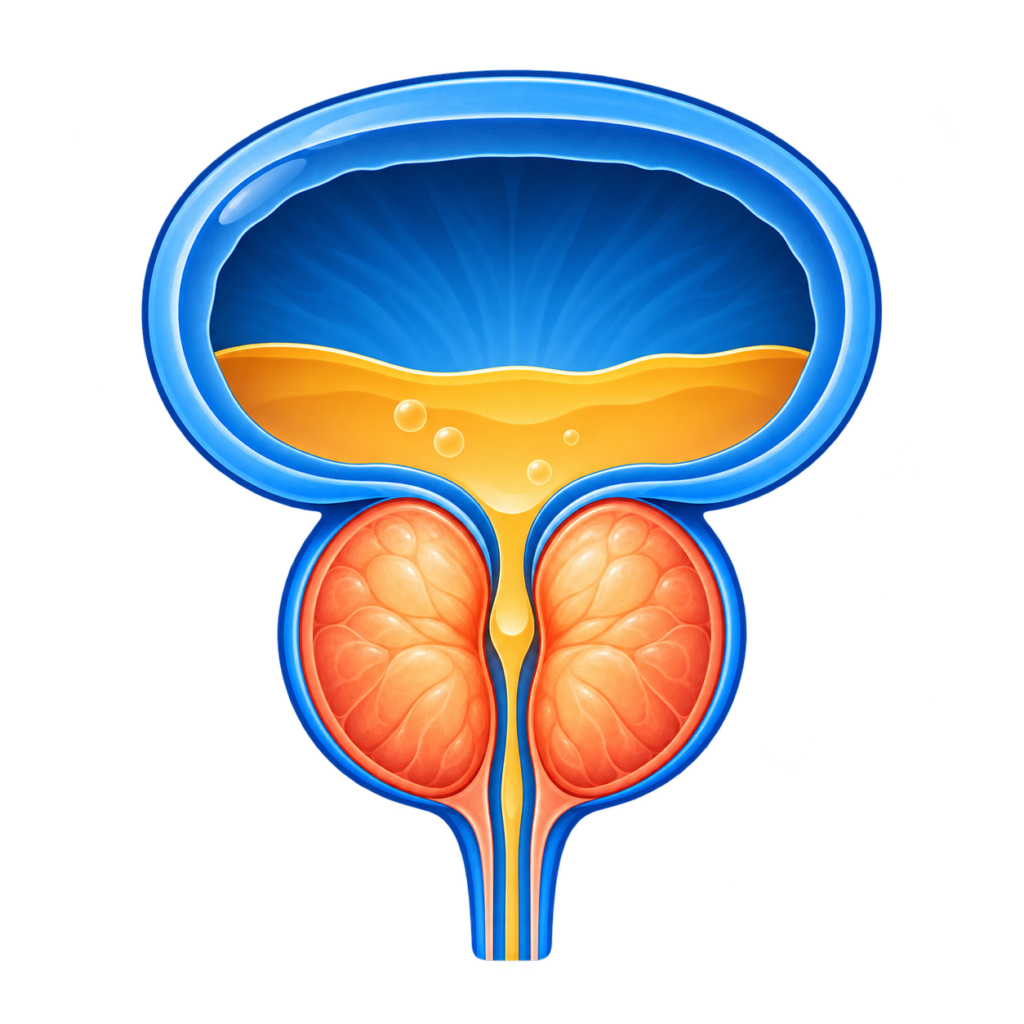
The prostate is a gland located below the bladder and around the urethra. Benign prostatic hyperplasia (BPH) means non-cancerous enlargement of prostate tissue. As the prostate and surrounding tissues change with age, some men develop obstruction or bladder-related symptoms, while others have an enlarged prostate with little or no bother.
Lower urinary tract symptoms (LUTS) can also arise from bladder conditions, infection, urethral narrowing, medicines, neurological problems or other causes. For that reason, treatment should be based on a clinical assessment rather than prostate size alone.

BPH

Benign enlargement of prostate tissue. It is not prostate cancer.

BPE

Benign prostate enlargement describes an enlarged prostate identified clinically or on imaging.

BPO

Benign prostatic obstruction refers to obstruction related to benign prostate disease.

Male LUTS

A group of storage, voiding and post-void urinary symptoms that can have more than one cause.

--- Symptoms & When to Seek Care ---

Common Urinary Symptoms Associated with BPH

Weak or slow urine stream

Difficulty starting urination (hesitancy)

Stopping and starting during urination

Needing to strain to pass urine

Passing urine more frequently

Urgency or difficulty postponing urination

Waking at night to pass urine (nocturia)
Dribbling after urination

Feeling that the bladder has not emptied completely

--- BPH, Prostate Size & Prostate Cancer ---

BPH Is Not the Same as Prostate Cancer

BPH is benign and does not mean that a patient has prostate cancer. However, urinary symptoms can coexist with prostate cancer or other prostate conditions, and similar symptoms may have different causes. A urologist may recommend examination, PSA discussion/testing or further assessment depending on age, symptoms, examination findings, family history and clinical context. Prostate size alone does not determine how severe symptoms will be. Some men with a relatively large prostate have mild symptoms, while others with a smaller gland may experience significant obstruction or bladder symptoms.
--- Diagnosis & Clinical Evaluation ---

How Enlarged Prostate and Urinary Symptoms Are Evaluated

History & Symptom Review

Discuss urinary symptoms, duration, degree of bother, fluid habits, medicines, medical conditions and previous urinary problems.

Physical Examination

A focused examination may include the abdomen, external genitalia and a digital rectal examination when clinically appropriate.

Specialist Tests When Needed

Uroflowmetry, post-void residual measurement, ultrasound, kidney-function tests, cystoscopy or other investigations may be used selectively based on symptoms and specialist assessment.

Urine Testing

Urinalysis can help identify blood, infection, glucose or other findings that may change the assessment.

PSA Discussion / Testing

PSA may be discussed when results could influence management, when prostate cancer assessment is relevant, or when clinically indicated.

--- Treatment Overview ---

Treatment Depends on Symptoms, Findings and Patient Priorities

Not every man with an enlarged prostate requires treatment. The appropriate plan depends on symptom severity and bother, obstruction, prostate characteristics, bladder emptying, complications, other medical conditions, current medicines and the patient’s preferences.

Watchful Waiting / Lifestyle

Suitable for selected men with mild or non-bothersome symptoms after appropriate evaluation.

Medicines

Different medicine classes may improve symptoms, reduce progression risk in selected men or target specific storage symptoms.

Endoscopic / Laser Procedures

Procedures such as TURP or HoLEP may be considered when symptoms are significant, medicines are unsuitable or ineffective, or complications are present.

Follow-Up

Symptoms, medication effects, bladder emptying and disease progression may need periodic review.

--- Lifestyle & Conservative Management ---

Conservative Measures Can Help Selected Men

Review the timing and amount of fluid intake, especially before bedtime or long journeys

  • Reduce excessive caffeine or alcohol if they worsen frequency or urgency
  • Avoid delaying urination for very long periods when uncomfortable
  • Review medicines that may affect urinary symptoms with a clinician rather than stopping them independently
  • Manage constipation where relevant
  • Use double voiding or bladder strategies only when advised and appropriate
  • Keep a symptom or frequency-volume record when requested
--- Medicines for BPH / Male LUTS ---

Medicines May Be Used When Symptoms Need Treatment

Alpha-Blocker

Can relax smooth muscle around the prostate and bladder outlet and may improve urinary flow and symptoms in suitable patients.

5-Alpha-Reductase Inhibitors

May be considered in selected men with larger prostates or higher progression risk; benefit develops gradually.

Combination Therapy

Some men may benefit from combining medicine classes when the expected benefit outweighs adverse effects.

Storage-Symptom Medicines

Selected patients with urgency/frequency may need medicines targeting bladder storage symptoms after assessment.

PDE5 Inhibitor Options

Tadalafil may be considered in selected men depending on LUTS, erectile function, other medicines and contraindications.

Medication Review

Choice should account for blood pressure, sexual side effects, eye surgery history, other conditions and current medicines.

--- When a Procedure May Be Considered ---

Surgery Is Considered When the Expected Benefit Justifies It

A procedure may be discussed when symptoms remain significantly bothersome despite appropriate conservative or medical treatment, when medicines are not tolerated or preferred, or when obstruction is associated with complications. Clinical decisions also consider prostate size and anatomy, bladder function, urinary retention, infection, stones, bleeding, kidney function and patient preference.

Examples of situations that may lead to procedural discussion

  • Recurrent or persistent urinary retention
  • Recurrent urinary infection related to obstruction
  • Bladder stones or significant bladder-outlet obstruction
  • Recurrent visible bleeding considered related to benign prostate disease after evaluation
  • Kidney or upper urinary tract effects from obstruction
  • Severe bothersome symptoms not adequately controlled with other treatment
--- TURP ---

TURP – Transurethral Resection of the Prostate

TURP is an established endoscopic procedure in which obstructing prostate tissue is removed through the urethra without an external abdominal incision. It may be considered for suitable men with bothersome urinary obstruction caused by benign prostate enlargement. The decision to recommend TURP depends on prostate characteristics, symptoms, test findings, medical fitness and the balance of expected benefits and risks. Recovery, catheter use, bleeding, urinary symptoms and sexual/ejaculatory effects should be discussed before treatment.
--- HoLEP---

HoLEP – Holmium Laser Enucleation of the Prostate

HoLEP uses holmium laser energy to separate obstructing prostate tissue from the surgical capsule, after which the tissue is removed from the bladder. It is an established enucleation technique and can be considered across a wide range of prostate sizes when suitable expertise and equipment are available. HoLEP is not automatically the right option for every patient. Choice between HoLEP, TURP and other approaches depends on prostate anatomy, clinical findings, medicines such as anticoagulants, anaesthetic considerations, patient priorities and local expertise.

TURP vs HoLEP – Patient-Friendly Comparison

Consideration⚕
TURP
✦
HoLEP
ApproachEndoscopic resection through the urethraEndoscopic laser enucleation through the urethra
Prostate sizeCommonly used for selected prostate sizes based on anatomy and guidelinesCan be used for a broad range of prostate sizes in experienced hands
Tissue removalObstructing tissue is resected in piecesAdenoma is enucleated and then morcellated/removed

Hospital / catheter course

Varies by patient, bleeding and local protocolVaries by patient, bleeding and local protocol
Procedure choiceDepends on patient and prostate factorsDepends on patient and prostate factors plus available expertise
--- Online, Outstation & International Consultation ---

Consultation Support for Prostate & Urinary Symptoms

Patients outside Aligarh may use online consultation for selected report reviews, follow-up discussions, second-opinion questions and preliminary guidance. Helpful records may include previous prescriptions, urine tests, PSA results, ultrasound reports, uroflowmetry, post-void residual measurements and prior procedure records when available. Some urinary problems require physical examination, direct bladder assessment, imaging, catheterisation or urgent local care. Online consultation does not replace emergency treatment or an in-person assessment when clinically required.

Report Review

Discuss existing investigations and previous treatment records.

Second Opinion

Review an existing BPH diagnosis or proposed procedure.

Pre-Visit Planning

Understand which reports may be helpful before travelling to Aligarh.

Follow-Up

Selected post-treatment or medication discussions may be suitable online.

Frequently Asked Questions

Is an enlarged prostate the same as prostate cancer?
No. BPH is a benign condition and is not prostate cancer. However, urinary symptoms can have several causes, and prostate cancer assessment may still be relevant depending on clinical findings and individual risk.
No. Men with mild or non-bothersome symptoms may be managed with observation and lifestyle advice after appropriate evaluation. Treatment is based on symptoms, complications, findings and patient preference.
Medicines can improve symptoms or reduce progression risk in selected men. The choice depends on prostate characteristics, symptom pattern, other medical conditions, current medicines and potential adverse effects.
TURP may be considered when benign prostate obstruction causes significant bothersome symptoms or complications and an endoscopic resection is appropriate for the patient.
Some procedures can affect ejaculation and may have other sexual side effects. The expected risks differ by procedure and should be discussed before treatment.
When is HoLEP considered?
HoLEP is a laser enucleation procedure that may be considered for suitable patients with benign prostate obstruction across a broad range of prostate sizes when appropriate expertise is available.
Yes, benign prostate obstruction can contribute to acute or chronic urinary retention in some men. Inability to pass urine requires urgent medical assessment.
PSA testing may be discussed when the result could influence management, when prostate cancer assessment is relevant or when a patient wishes to consider testing after appropriate counselling.
Yes, selected report reviews, follow-up discussions and second opinions may be suitable online. Physical examination, urine testing, imaging or other investigations may still require an in-person visit.
There is no single best procedure for every patient. The choice depends on prostate size and anatomy, symptoms, health, medicines, priorities, available expertise and the expected benefits and risks of each option.
hacklink hack forum hacklink film izle hacklinkbetsat girişbetsat girişbetbomfireball casinoporno sitelericasibomcasibom girişjojobetjojobet giriş
Scroll to Top